
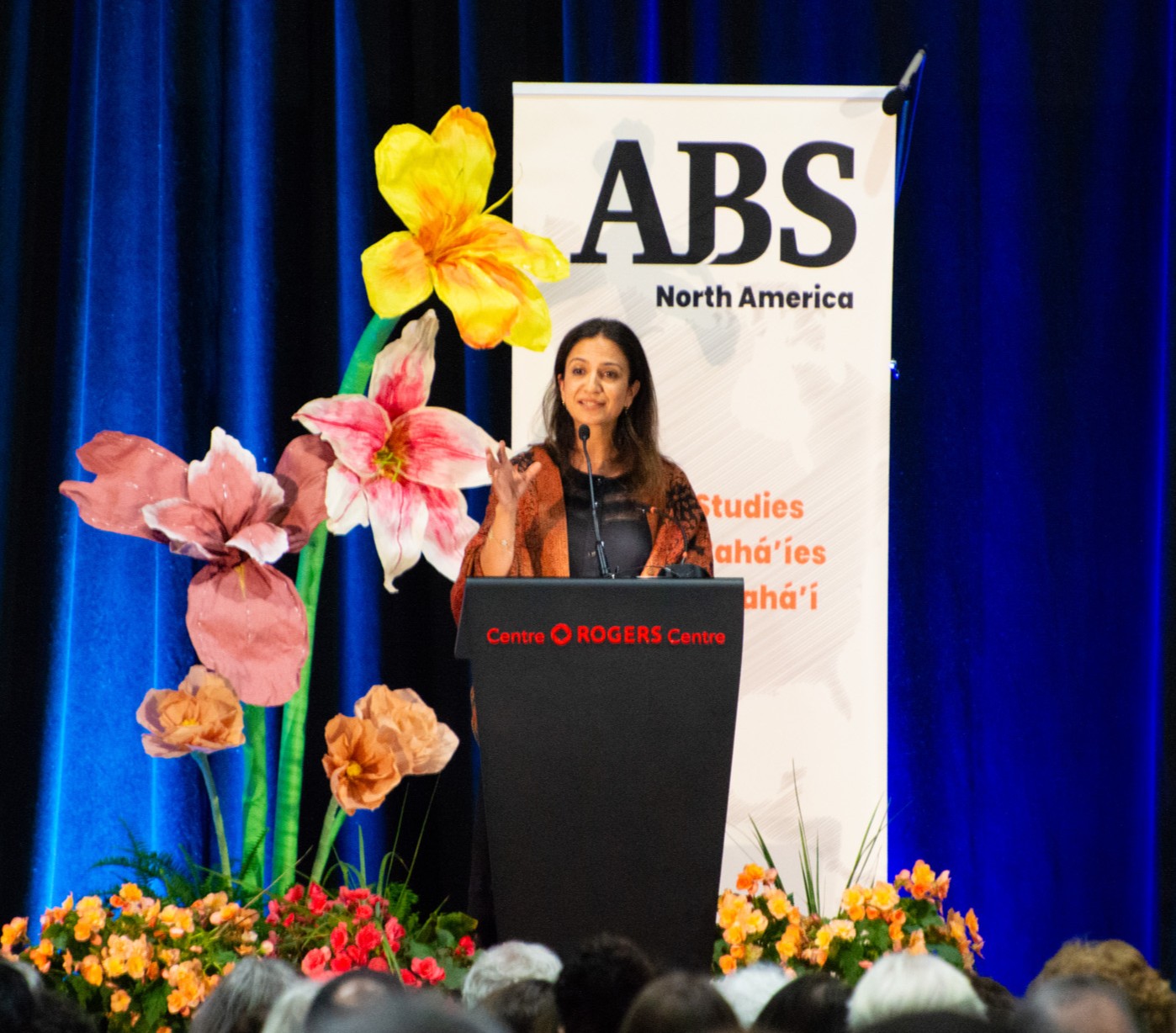
On the weekend of 7-9 August 2026, some 2,100 registered participants, from across Canada and the United States, gathered for the 50th annual conference of the Association for Bahá’í Studies (ABS). The Association is dedicated to creating spaces for reflection on how people can contribute to discourses in their academic and professional fields in light of the Bahá’í teachings. The Association held its first conference in Bolton, Ontario in 1976, and its administrative home was established in Ottawa in 1982.
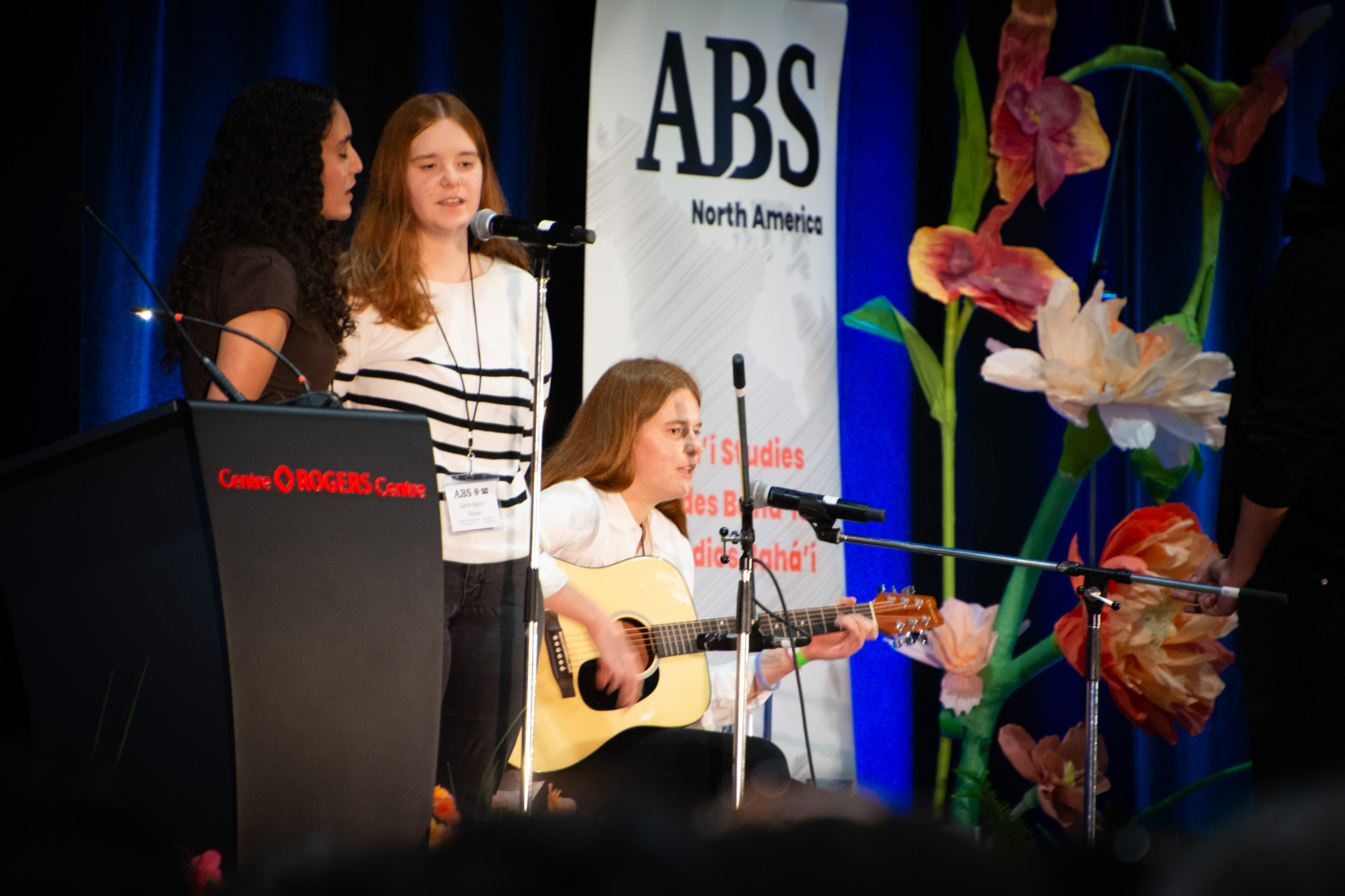
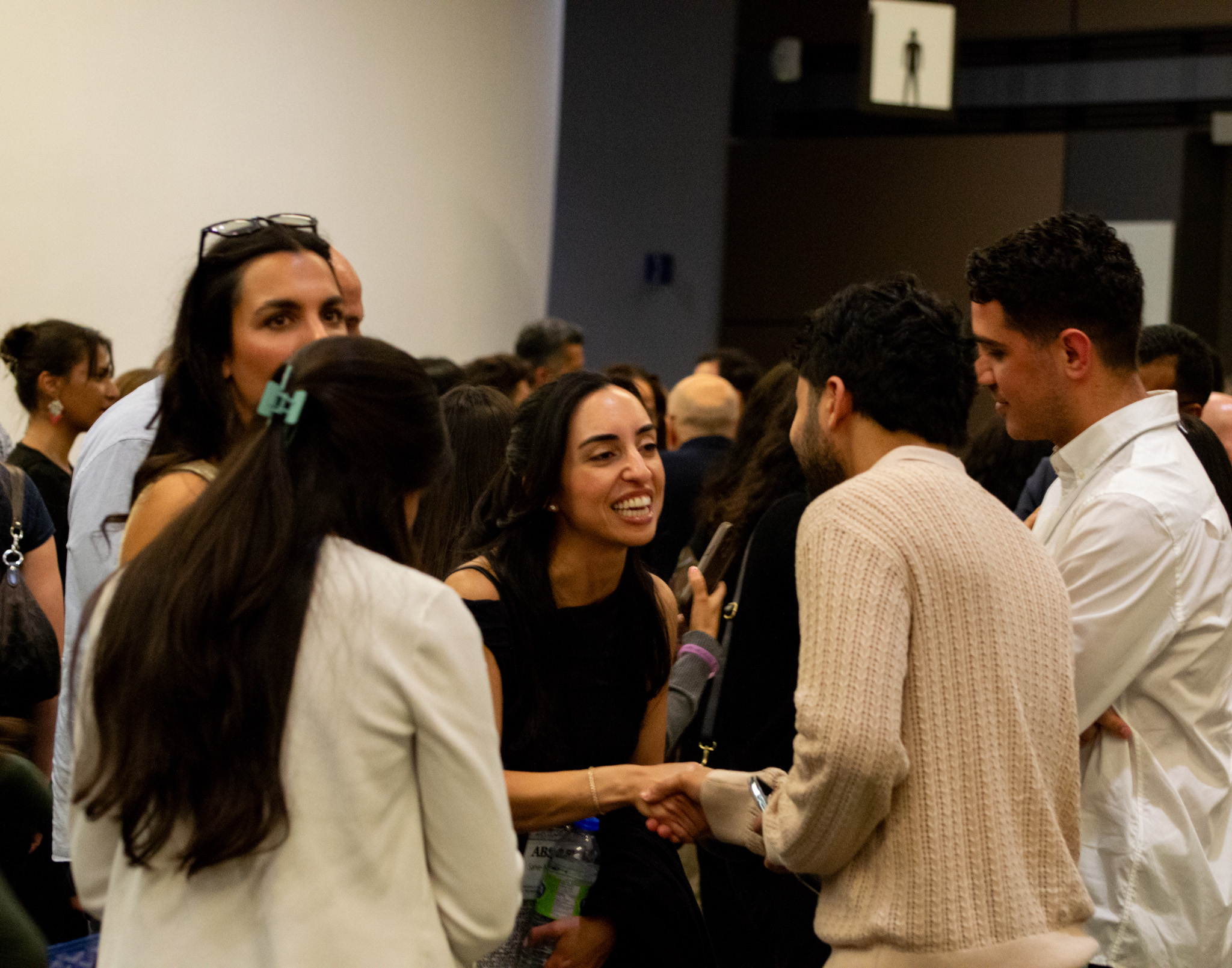
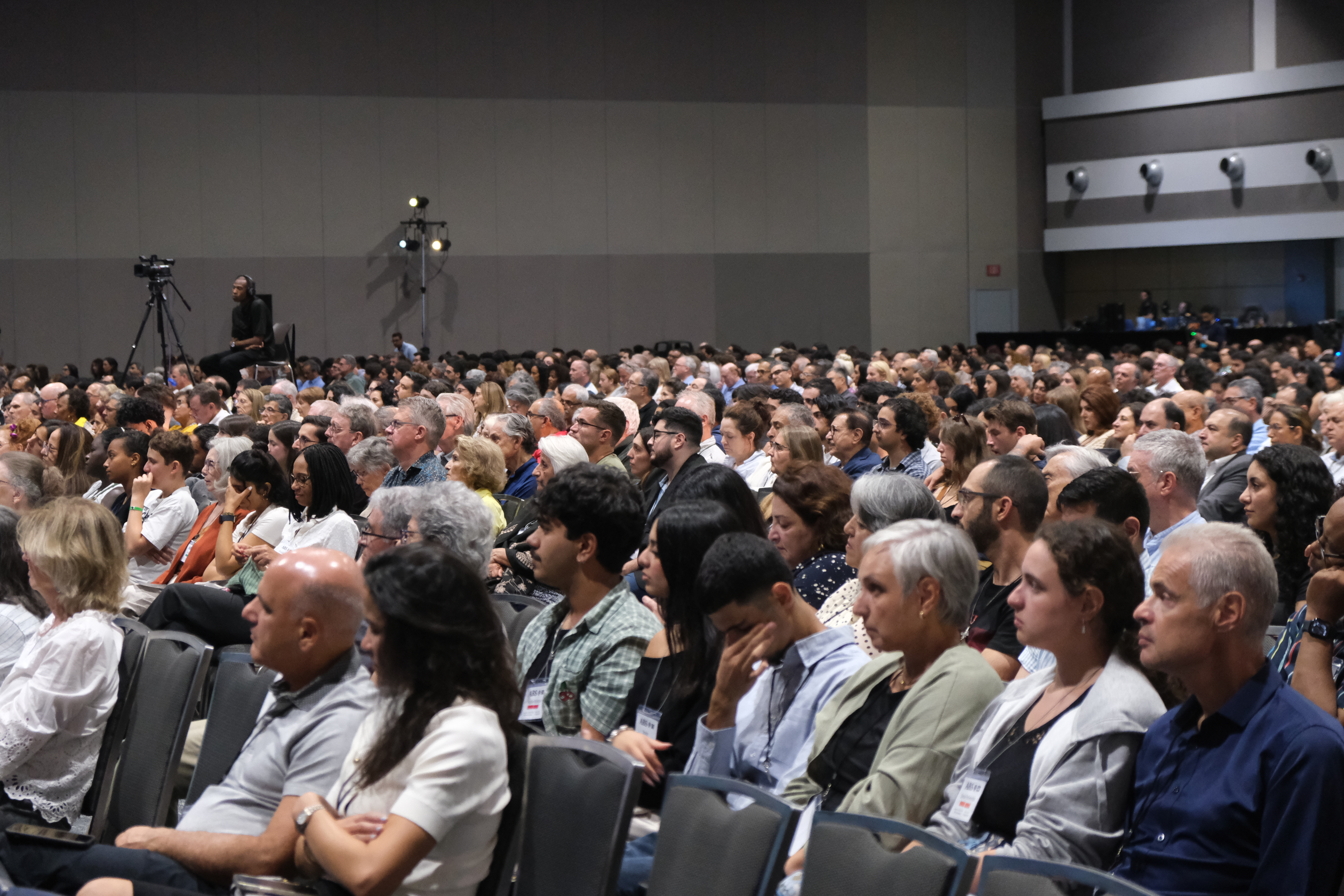
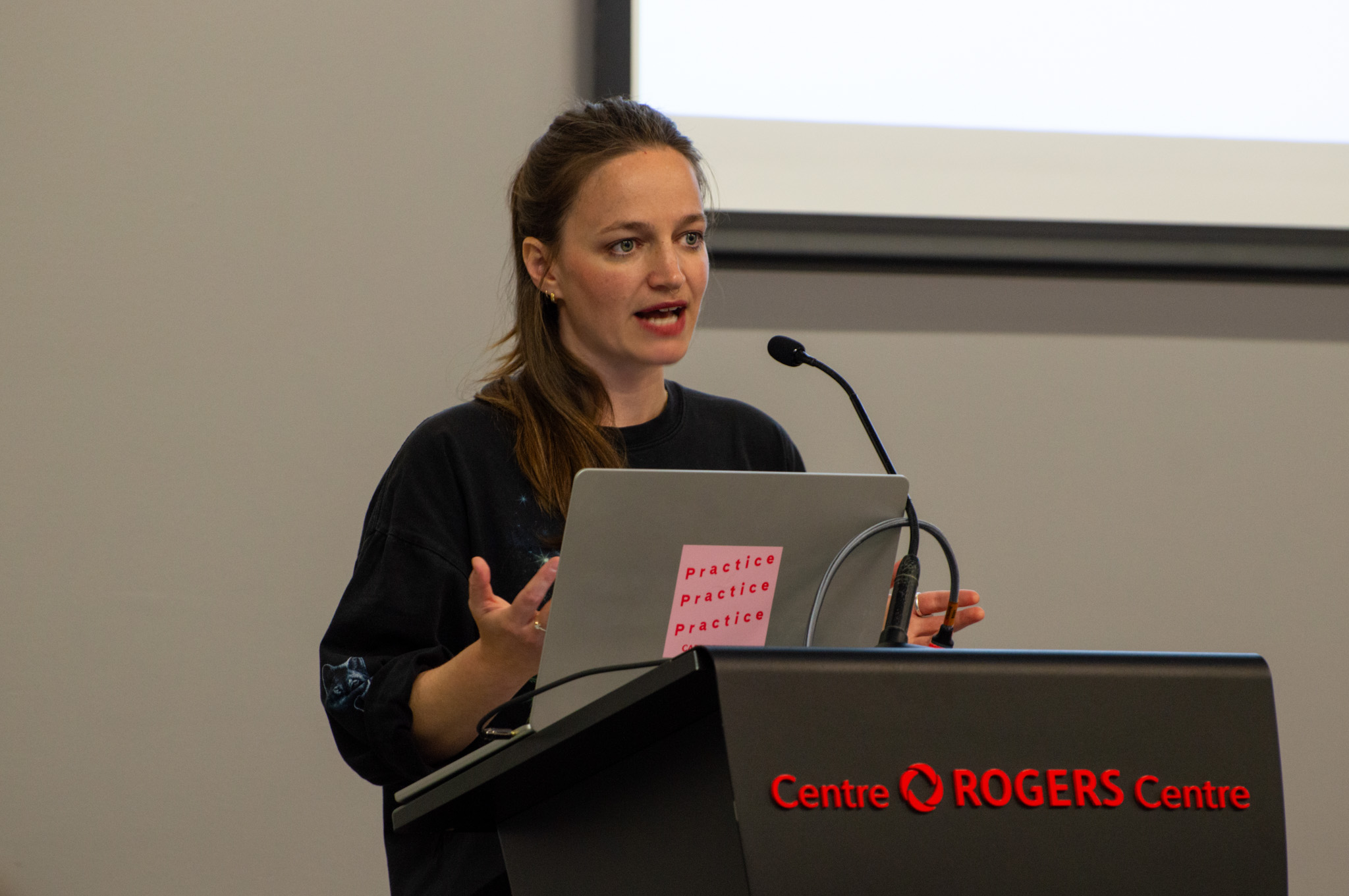
On the weekend of 7-9 August 2026, some 2,100 registered participants, from across Canada and the United States, gathered for the 50th annual conference of the Association for Bahá’í Studies (ABS). The Association is dedicated to creating spaces for reflection on how people can contribute to discourses in their academic and professional fields in light of the Bahá’í teachings. The Association held its first conference in Bolton, Ontario in 1976, and its administrative home was established in Ottawa in 1982.
The conference opened with words of greeting and a prayer in the Indigenous language of Northern Tutchone. The opening session of the conference gave a retrospective of five decades of endeavour. In both scripted and conversational formats, the members of the ABS Executive Committee described the earliest efforts of small conferences and a few monographs through to the present ecosystem of multiple collective learning spaces. Today, ABS supports reading groups and periodic seminars throughout the year, pre-conference seminars in 15-20 fields of endeavour, the publication of the Journal of Bahá’í Studies on a quarterly basis, book publications, and, during the conference itself, plenary sessions, breakout groups, arts and devotional presentations, as well as dedicated programs for children, junior youth ages 12-15, and youth.
The keynote address of the conference was given by Mr. Shahriar Razavi, a member of the Universal House of Justice, the international governing council of the Bahá’í community. Addressing the theme of peace, he noted how, in the “dizzying deterioration” of world conditions, “the promotion of peace is central to the Bahá’í teachings” and consequently to the life and service of the community. Far from being simply a cessation of hostilities or a state of lack of war, an expansive conception of peace was explored, one that involves all the peoples of the world in a rebuilding of society. He explored the transformative principles that constitute the foundation of such a culture of peace. Amidst the “widespread belief that efforts towards peace will fail” he cited examples where hatred and persecution have not given rise to the same behaviour. The address can be heard here.
The conference featured a wide array of topics and themes. The first day closed with the showing of Cast Aside the Clouds, a feature film about faith, love and persecution set in modern-day Iran. One of the breakout groups explored the making of the film and the role of youth as agents of change in society.
Among the two-day pre-conference seminars was Drawing on Bahá’í Experience in Education as a Classroom Teacher, a discussion was intended to refine a draft textbook for K-12 classroom teachers. The key question was a search for coherence in the approach to the education of children, one that explores insights from Bahá’í community-building experiences together with ideas from philosophy and science. A participant expressed his appreciation of a space to consider “overcoming the fragmentation that currently exists in school systems”, and “to look at three elements of education – curriculum content, the student, and the teacher – as parts of a unified system, avoiding undue focus on such goals as, for example, student self-esteem, achievement scores, or education for economic gain.” The role of families as part of the educational process was also explored.
Another pre-conference seminar, Alternatives to Partisanship – Theory and Practice, aimed to
Breakout sessions throughout the second day of the conference explored questions with which individuals and collaborative groups are grappling, across a range of disciplines. Sessions included insights from a regenerative farming project in Haiti; learning about sexual health conversations based on principles such as the nobility of the individual, justice, and equality of the sexes; an exploration of fundamentals of music composition that move away from a Eurocentric understanding of what music is towards a creative and universal approach that honours and builds on the world’s diverse practices; questions on the origin and nature of law, as solely man-made or something deeper and bigger, embodied in nature and existence itself; the elimination of prejudice around ageism and aging; artificial intelligence as it relates to consciousness and to human progress.
Other panel discussions included a description of a collaborative effort over three years to examine materialistic assumptions in the biological sciences and an approach to a rigorous discourse that includes both intellectual and spiritual dimensions. A panel of Indigenous scholars and practitioners, speaking on August 9th, International Day of the World's Indigenous Peoples, explored the landscape of Indigenous Knowledge Systems. They described how indigenous knowledge is used as a means for the restoration of the health and dignity of peoples, not just a collection of information. As one panelist said: “The diversity of humanity is not a problem to be managed but a gift. The suppression of Indigenous Knowledge Systems is a loss to all of humanity.” Participants were encouraged to approach these with a learning attitude rather than one of translating or validating the systems.
As one participant departed, he expressed a sense that his own thinking, actions, career choices and conversations would be impacted by the experience. A long-time attendee described these conferences as more about searching for answers rather than dictating or reporting them. “There is a posture of learning, of openness to trying to understand where others are really at.” She reflected that this conference helped her think again about what more she can do in her field: “I see how to reconnect with some of the work I could be doing and colleagues I could be working with.”