
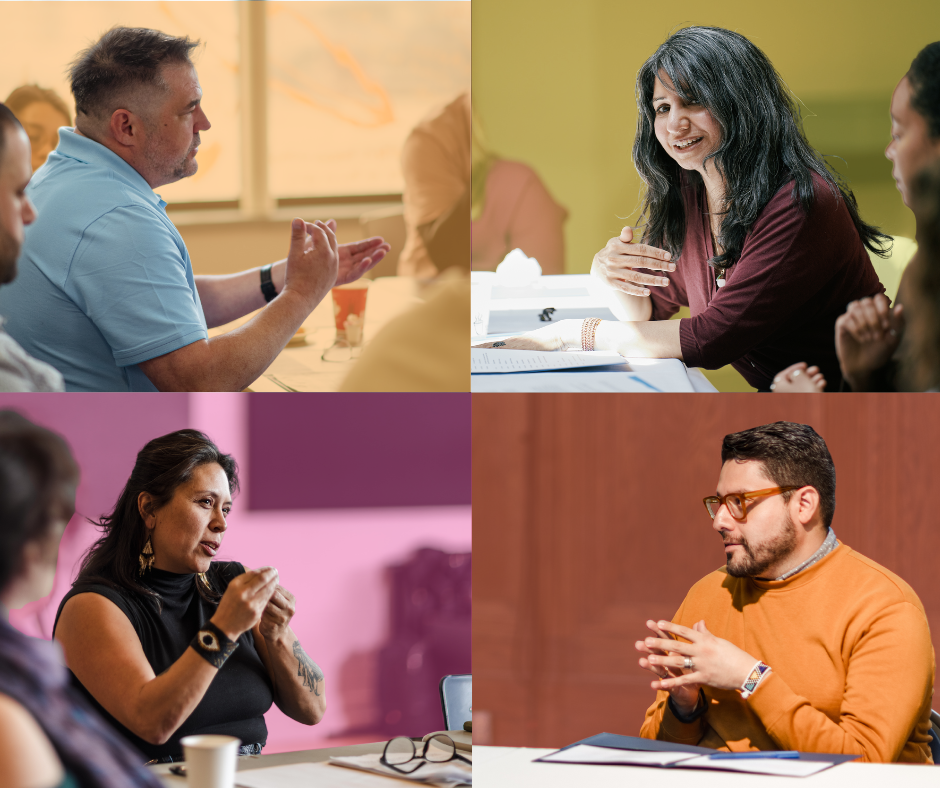
How can individuals and communities foster a sense of belonging—a deep attachment to, and care for, one another—within the richness of our diverse society? This question is at the heart of a Canada-wide series of roundtables on the theme of belonging launched by the Baha’i Community of Canada’s Office of Public Affairs in April.

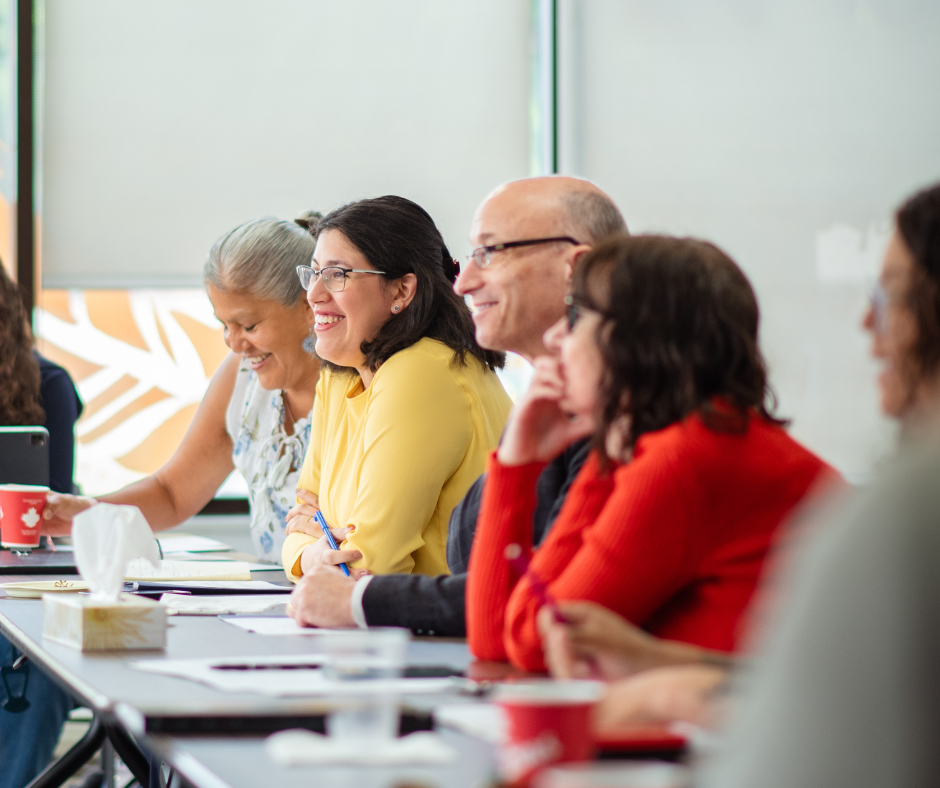


“Fostering a sense of belonging is a theme that resonates with the work of many organizations in Canada. In a time of growing polarization in Canadian society, convening spaces for dialogue and reflection, where participants can learn from each other’s experience fostering spaces that enhance a sense of belonging felt timely,” said Andrea Salguero, Director of the Baha’i Community of Canada’s Office of Public Affairs, “the Baha’i Community’s own experience in this area is drawn from supporting moral education programs that invite people of all ages and backgrounds to contribute to the well-being of their neighbourhoods,” she added.
Reflecting on themes presented in a concept note prepared by the Office of Public Affairs, roundtable participants, including representatives from civil society organizations, government, academia, and the media, have drawn on their diverse experiences to describe environments, conversations and initiatives that foster a sense of belonging, assisting people to become collaborators and friends across differences– including cultural, generational, and ideological divides.
Participants at the Toronto roundtable noted how a sense of belonging is created when individuals contribute to the betterment of society alongside others, “At the heart of belonging is getting to know our neighbours, which we need to do in order to understand what assets exist in our community, and then we can pull together collectively to draw on those assets to overcome local challenges,” said Heather Keam, Consulting Director of Asset-Based Community Development at the Tamarack Institute, an organization dedicated to fostering belonging and eliminating poverty in Canada.
“The notion of kinship is integral to everything we do,” another participant from a local organization shared at the first roundtable in Winnipeg held in June, “The most important thing is to work in relationship. Every human has gifts and abilities, and we have the unique gift of seeing them put in action.”
Alongside insights such as the above, roundtable participants also identified common challenges related to belonging in Canada. A recurring subtheme across roundtables was the influence of technology and online spaces on identity and notions of belonging. Participants noted instances where engagement in online spaces, particularly those which attract young people, can give rise to insular identities that result in hateful or harmful behaviour towards others. “One of the biggest challenges for belonging is when people begin to associate themselves with communities online that only serve as echo chambers that disconnect them from the communities in which they actually live” said David Garzon, Director of Marketing and Communications at White Ribbon Canada, an organization dedicated to promoting gender equality through the education of men and boys.
To address such challenges, participants saw the need to identify values and principles that ensure the desire to belong does not result in narrow or exclusive notions of identity. “The roundtables have become spaces to explore what it means to foster a sense of belonging that welcomes the meaningful and active participation of all,” Salguero explained, “It is becoming increasingly clear that fostering a sense of belonging capable of overcoming prejudice and polarization in society must be rooted in deeper principles such as a true appreciation of diversity and the oneness of humankind,” she added.
A shared aspiration across all three roundtables was the desire to create further opportunities for collaboration among participating organizations. Following the roundtable in Montreal, some participating organizations initiated subsequent local roundtables to continue the conversation. Other participants have begun sharing resources and best practices across newly formed networks resulting from the roundtables. “We are encouraged to see these collaborative responses to the roundtables emerging in different cities,” said Salguero, “the roundtables are meant to initiate a conversation about an evolving area of learning. We hope this conversation will extend beyond these initial gatherings and become richer through insights drawn from the collective experience of the participants.” Over the coming months, additional roundtables will continue to bring together participants in other major cities across Canada.